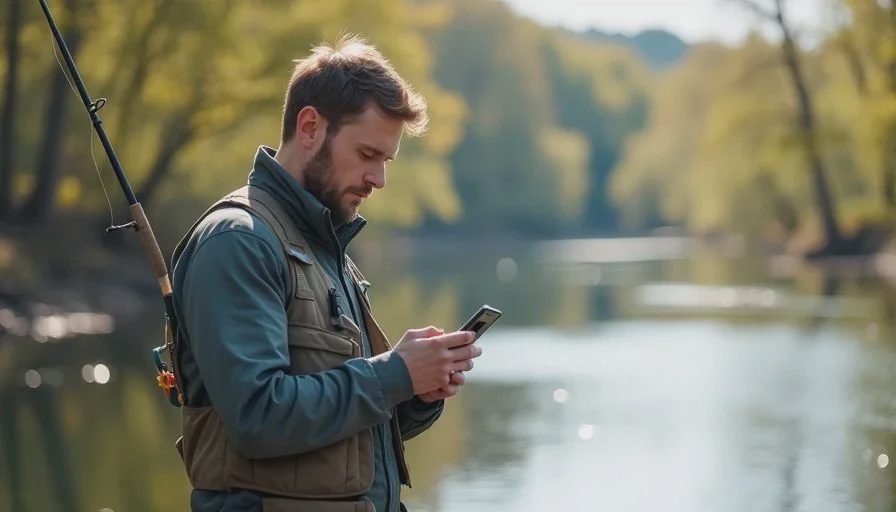
Location sharing is convenient when someone needs to know you arrived safely or when a family member is coordinating a pickup. It becomes less useful when it runs continuously during a quiet stretch of river or a morning on the water. Every movement is recorded, battery is consumed, and the sense of being away from ordinary demands is reduced. For fishing trips I turn location sharing off on purpose. The decision is practical rather than dramatic.
I fish around Spokane and Coeur d’Alene as a regular break from work and family logistics. The phone still comes along for safety, weather checks, and the drive. Continuous location tracking does not need to come with it. Turning the feature off for a few hours restores a boundary that is easy to lose when every app defaults to knowing where you are.
What Continuous Location Sharing Actually Does
Most phones and apps can share real-time location with specific people or can record a history of movement for the device itself. When the feature is left on, the phone periodically updates position even if no one is actively watching. That process uses power and creates a record. In daily work and family life the trade-off is often acceptable. During intentional outdoor time the same process adds little value and subtracts from the point of being there.
Fishing is one of the few activities where I deliberately step away from the ordinary flow of messages and schedules. Leaving location sharing active keeps a digital thread running through that time. Turning it off makes the separation cleaner. The phone remains available for a call or a map if needed. It simply stops reporting position by default.
Privacy in Ordinary Outdoor Settings
Location data is useful to the people you choose to share it with. It is also useful to the platforms and services that collect it. A continuous stream from a fishing spot, a trail, or a quiet pull-out creates a detailed picture of habits and places. For most people that picture is not sensitive in a dramatic sense. It is still more information than the situation requires.
Turning sharing off for the duration of the trip limits the data to the drive out and the drive back. The hours on the water stay off the continuous record. This is a modest privacy choice, not a complex security strategy. It is simply proportional to the activity.
Battery Life on Longer Outdoor Stretches
Location services are a meaningful drain, especially when the phone is already working harder to hold a signal in rural or river-adjacent areas. GPS, network-based positioning, and frequent updates all cost power. On a full day of fishing that cost shows up as a faster drop in battery percentage.
I already carry a small power bank for longer trips. Reducing background location work makes the existing battery last longer and keeps the power bank as a genuine reserve rather than a routine necessity. Offline maps for the area can still be used without continuous cloud location sharing. The phone knows where it is for navigation when I open the map. It does not need to report that position outward the entire time.
Cold mornings near the water make the battery effect more noticeable. Managing every source of drain becomes part of keeping the phone available for the drive home or an emergency call. Location sharing is one of the easier sources to pause.
The Mental Side of Being Untracked
There is also a quieter benefit. Knowing the phone is not actively sharing location reduces the low-level sense that the day is still connected to every ordinary demand. Messages can wait. The schedule is already set. The time on the water is allowed to be separate.
This is not about rejecting technology. The phone is still in the truck or the pack. Weather apps, a downloaded map, and the ability to call remain available. The difference is that the device is no longer performing one background task that is unnecessary for the hours ahead.
How I Actually Turn It Off and Back On
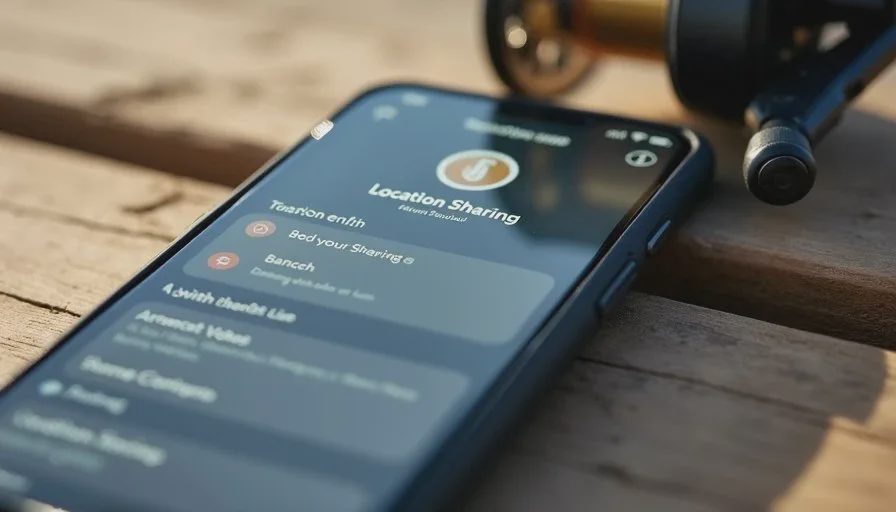
The steps are simple and take less than a minute. Before leaving cell coverage or at the start of the fishing time, I open the location settings and turn off sharing for the people or apps that normally receive it. On most phones this is a single control for share-my-location features, separate from the phone’s own ability to use location for maps and camera.
I leave ordinary location services available for offline maps and emergency needs. Only the outward sharing is paused. At the end of the trip, or once I am back on the road, I turn sharing back on if it is useful for the drive home or for letting family know I am headed back.
The same approach works for other outdoor blocks: a morning of tool work in a remote spot, a longer hike, or any stretch where continuous tracking adds no practical value. The feature is easy to pause and easy to restore.
What Stays Available
Turning off location sharing does not disable the phone’s ability to place an emergency call, use offline maps, or take photos with location tags if that setting remains active. It does not prevent me from manually sending a location pin if someone needs it. The change is specific: the automatic, continuous report of position stops for a defined period.
Safety planning still matters. I tell someone the general area and the expected return time before leaving. A power bank and a basic awareness of coverage gaps remain part of the preparation. The absence of continuous sharing does not equal the absence of ordinary caution.
Why the Habit Has Stuck
After several seasons of turning location sharing off for fishing, the pattern feels natural. The phone uses less power. The time outdoors feels more separate from the ordinary flow of updates. Privacy is modestly improved without any complicated setup. When the trip ends, sharing goes back on and normal coordination resumes.
The same small decision applies to other moments when continuous tracking serves no immediate purpose. A phone should help you make one less trip, miss one fewer job, and have one fewer argument. It should also be capable of stepping back when the task at hand is simply to be present in a place that does not require constant digital reporting. Turning off location sharing for fishing is one practical way to keep that balance. The steps are easy. The quieter stretch of time is the result.



No comments yet — be the first to share a thought.