
Most weekend mornings begin the same way the weekdays do: the phone is already within reach. Messages from the night before, team updates, weather alerts, and the residual pull of the workweek all arrive before the coffee is finished. The device that helps during the week becomes the first claim on attention when the schedule is supposed to be lighter. One small change interrupts that pattern. On selected weekend mornings I leave the phone in the truck.
The decision is deliberate and limited. It is not a full digital detox or a rejection of the phone’s usefulness. It is a few protected hours in which the default state is absence rather than constant availability. The phone remains nearby if a genuine need arises. It simply stops being the first object handled and the continuous background presence.
Why the Morning Hours Are Worth Protecting
Weekend mornings are one of the clearer windows for uninterrupted family time, outdoor tasks, or quiet personal routines. Once the phone is active, that window narrows. A single notification can restart the mental list of unfinished work items, schedule adjustments, or social obligations. The hours that felt open become fragmented.
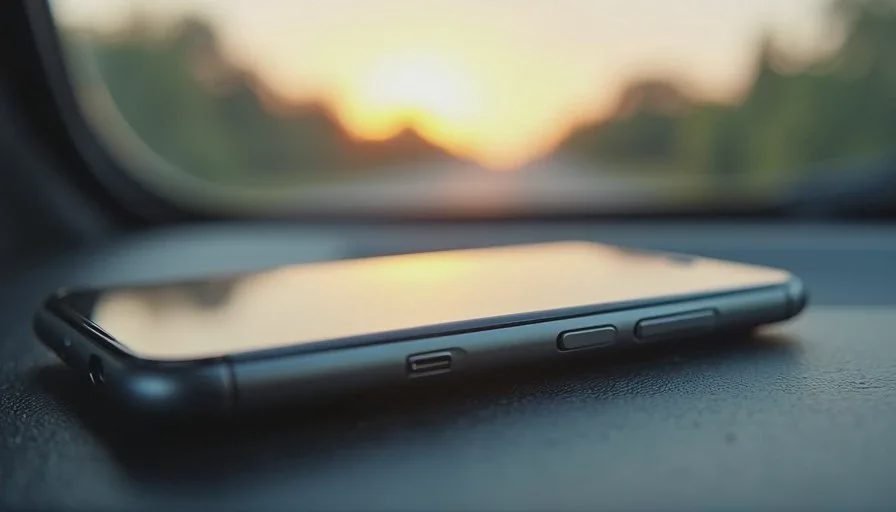
Leaving the phone in the truck creates a physical barrier that is stronger than a silent mode or a focus setting. The device is not in a pocket or on the kitchen counter. Reaching it requires a deliberate walk outside. That small friction is often enough to let the morning unfold without the usual digital interruptions.
What the Habit Is Not
This is not a claim that every weekend must be phone-free or that work and family coordination should be ignored. The phone returns after the protected block. Messages are checked. Any genuine issues are handled. The difference is that the early hours are no longer the place where those demands arrive first.
How the Morning Actually Works
The practical version is simple. Before heading inside or starting the morning activity, the phone stays in the truck—usually in the center console or a bag on the seat. A basic check the night before or first thing confirms that no time-sensitive work item is already waiting. If something critical is pending, the phone comes inside. On ordinary weekends the device stays put.
The next few hours belong to whatever the morning holds: breakfast, a short outdoor project, time with the kids, or simply a slower start. The absence of the phone is noticeable at first. The automatic reach for it appears and then has nowhere to go. After a few repetitions the urge settles.
When the protected block ends—often mid-morning or around noon—the phone is retrieved. Messages are reviewed in a single pass rather than in continuous fragments. Replies go out. The rest of the day proceeds with the phone available again. The morning itself remains intact.
Handling the Rare Exception
If a genuine need arises—a family member who may need to reach me, a weather concern, or a work issue that cannot wait—the phone can be brought inside for that specific purpose and then returned. The habit is a default, not a rigid rule. The value comes from the ordinary mornings when no exception is required.

What Changes When the Phone Stays Outside
The most immediate change is the reduction in micro-interruptions. Without the lock screen lighting up, attention stays on the conversation, the task, or the quiet of the early hours. Battery life is irrelevant because the device is not in use. The mental list of digital tasks stays closed until the deliberate check-in later.
Family members notice the difference as well. A parent who is not glancing at a phone during breakfast or while watching a morning activity is more present. The quality of the time improves even if the quantity is only a few hours. Children and partners do not have to compete with an endless stream of alerts for attention.
For personal routines the same effect appears. A short outdoor project, a walk, or simply sitting with coffee proceeds without the background pull of messages. The phone’s absence creates space that the device itself cannot provide while it remains within reach.
Why the Truck Is the Right Place
Leaving the phone in another room can work, but the truck adds a useful layer of separation. It is outside the living space. Retrieving it requires shoes and a short walk. That extra step is often enough to prevent casual checking. At the same time the phone is not far away. If an urgent situation develops, it can be reached in a minute or two.
The truck also keeps the device at a stable temperature and out of the main traffic of the house. It is a practical storage location rather than a symbolic gesture.
Building the Habit Without Making It Heavy
The mornings do not need to be every weekend. Starting with one Saturday or Sunday a month is enough to test the effect. Once the pattern feels natural it can expand to most weekends that do not carry an early work obligation or a time-sensitive family need.
Preparation the night before helps. A quick look at the calendar and any open messages confirms that the morning can reasonably be protected. If a customer is expecting a Saturday update or a family plan requires coordination, the phone stays available. The habit flexes with real conditions rather than fighting them.
Communicating the pattern to family members prevents confusion. A simple “phone’s in the truck this morning” sets the expectation that replies will come later and that the early hours are for being present.
What the Rest of the Day Looks Like
After the phone returns, the usual tools are available again: maps, messages, work notes, and family coordination. The difference is that the first part of the day was not spent in reactive mode. The mental space created by the quiet morning often carries forward. Decisions feel less hurried. The remaining digital tasks are handled in clearer blocks rather than continuous fragments.
The habit does not eliminate the need for the phone. It simply prevents the device from claiming the hours that are most valuable for recovery and connection.
Why This Small Boundary Matters
Constant availability is easy to maintain and hard to notice until the cost appears as fatigue, fragmented attention, or a sense that even the weekends are still on the clock. A few protected morning hours reverse that pattern without requiring a dramatic lifestyle change. The phone remains a useful tool for the rest of the day. It simply does not open the day.
A phone should help you make one less trip, miss one fewer job, and have one fewer argument. Leaving it in the truck for a weekend morning supports that goal by protecting the time that keeps the rest of the week sustainable. The step is small. The quieter start is the consistent result.



No comments yet — be the first to share a thought.