
Saturday games are supposed to be simple. The schedule is known. The location is fixed. The phone is supposed to stay mostly quiet. Then a customer calls about a failed part, a dispatcher needs a confirmation, or a Monday job develops a problem that cannot wait until Monday. The tension is immediate: answer and step away from the game, or ignore the call and risk a larger problem later.
I have stood on enough sidelines with a phone in my pocket to know the feeling. Field service does not always respect the weekend boundary. The practical response is not to pretend the calls never come and not to let every call pull you completely out of the afternoon. A short set of habits keeps the necessary work reachable while protecting as much of the game as possible.
Why the Conflict Appears on Game Days
Many service businesses run lean. A one-person or small operation often has no separate weekend coverage. Customers who have an emergency or a change in plans call the number they already have. Parts suppliers and other trades sometimes work Saturday mornings and expect a reply. The same phone that handles weekday navigation and invoicing is the one that rings on the sideline.
At the same time, the game is one of the clearer windows of family time in a busy week. Leaving it repeatedly or staying half-present on the phone sends a message that the event is secondary. The goal is to reduce the number of interruptions that actually require an immediate step-away and to handle the ones that do with the least disruption.
Separating Urgent from Merely Convenient
Not every Saturday call is urgent. Some are customers who find it convenient to call on the weekend. Others are genuine problems that will become larger if left until Monday. Learning to distinguish the two in the first few seconds of the conversation (or from the voicemail) prevents unnecessary absences from the game.
A quick filter helps. If the issue can be resolved with a one-minute confirmation or a promise to handle it first thing Monday, it rarely justifies leaving the field. If the issue involves safety, a customer who cannot use essential equipment, or a job that will collapse without a same-day decision, a short step-away is usually the cleaner choice.
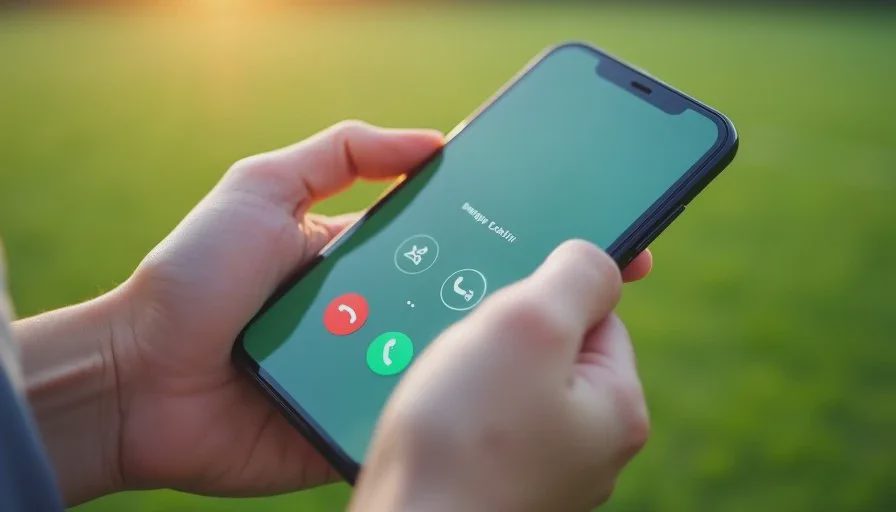
Preparation That Reduces Sideline Surprises
Most weekend interruptions are easier to manage when they are anticipated. On Friday afternoon a short review of open jobs, pending parts, and any customers who have been promised a Saturday update can surface the likely callers. A proactive message to those customers—“I’ll be at a family event Saturday morning but will check messages at noon and late afternoon”—sets an expectation and often reduces the number of “where are you” calls.
The same review can identify issues that should be closed or handed off before the weekend begins. A part that can be ordered Friday, a confirmation that can be sent before leaving the shop, or a note left for Monday prevents some of the calls from arising at all.
Phone settings support the boundary. A focus mode that allows calls only from starred contacts or from numbers linked to current jobs keeps the bulk of casual weekend calls silent while still letting the genuine ones through. Notifications from non-essential apps can stay off for the duration of the game.
Physical Placement on the Sideline
Where the phone lives during the game matters. Keeping it in a pocket on silent or vibrate, face down on a bag, or with a trusted second adult who can signal if a critical number appears reduces the automatic reach every time the screen lights. The device remains available for the calls that are allowed through. It simply stops being a continuous visual presence.

Handling the Call When It Must Be Taken
When a call does require attention, the shortest effective conversation is the goal. Step a short distance away from the main group of parents if possible, keep the exchange factual, and set a clear next step that does not require remaining on the phone. “I’ll look at it Monday first thing and confirm by text” or “I can be there between 4 and 5 if that works” closes most loops without turning the call into a long remote work session.
If the issue cannot be resolved in a couple of minutes, it is often better to schedule a specific callback window after the game than to stay on the line. The customer receives a concrete time. The rest of the game remains intact.
Returning to the sideline after the call, a brief re-orientation to the score or the current play helps shift attention back. The interruption is real. Letting it continue to occupy mental space after the conversation ends is optional.
Communicating with Family Without Over-Explaining
A short, consistent pattern works better than repeated apologies. Letting a spouse or older child know that a work call may appear and that it will be handled as quickly as possible sets the expectation in advance. After the call, a simple return to watching the game is usually more effective than a detailed debrief of the work problem.
Children notice presence more than they notice perfect explanations. Being back on the sideline and attentive for the majority of the game matters more than the occasional two-minute absence.
What to Avoid
Taking every call “just in case” trains customers and colleagues to expect constant weekend availability and guarantees more interruptions. Conducting long troubleshooting sessions on the sideline turns the game into background noise. Leaving the phone on full volume and reacting to every notification keeps attention divided even when no call is active.
At the other extreme, completely powering off the phone can create larger Monday problems if a genuine emergency went unanswered. The middle path—filtered reachability and short, decisive handling—protects both the afternoon and the work that cannot wait.
Building a Sustainable Pattern
Over time the combination of Friday preparation, selective focus settings, and short handling of necessary calls reduces both the frequency and the impact of weekend interruptions. Customers learn the response pattern. Family members see that the game remains the priority. The phone stays a tool that can be used when required rather than a continuous claim on attention.
Some weekends will still contain unavoidable work. The measure of success is not zero calls. The measure is that the calls which do arrive are handled cleanly and that the majority of the game remains intact.
A phone should help you make one less trip, miss one fewer job, and have one fewer argument. Managing work calls during a Saturday game supports all three by preventing small weekend issues from becoming Monday crises while still protecting the family time that keeps the rest of the week sustainable. The habits are modest. The quieter, more present afternoon is the result.



No comments yet — be the first to share a thought.