
Team messages start with good intentions. A coach needs to confirm a practice time. A parent asks about carpools. Someone shares a photo from the last game. Within a few weeks the same chat can generate dozens of notifications a day, many of them repetitive or time-sensitive only for a small group. For working parents the result is a phone that buzzes through job sites, dinners, and quiet evenings with information that rarely needs immediate attention.
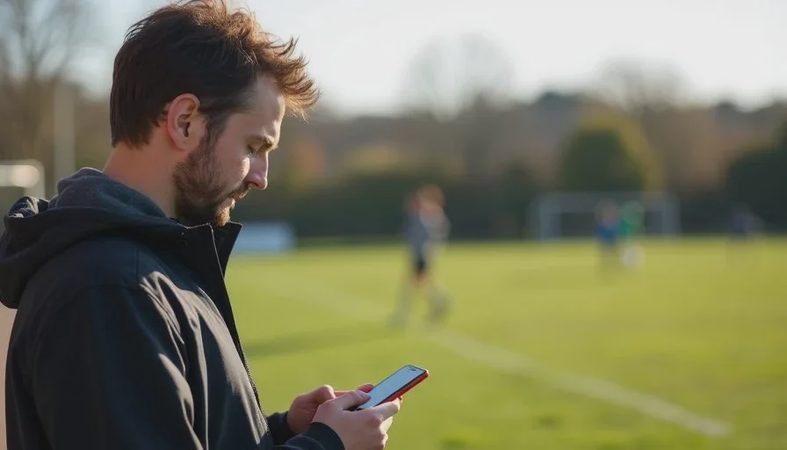
I ran into this pattern after coaching and driving kids to soccer and baseball. The team apps and group chats were useful for schedule changes. They became a problem when every reply, emoji, and side conversation lit up the lock screen. The solution was not to leave the team. It was to control how and when the messages could interrupt. A few deliberate settings and habits returned the phone to a tool instead of a constant source of sports chatter.
Why Team Messages Multiply So Quickly
Sports communication tools are designed for participation. They make it easy for every parent to reply, react, and share. That openness is helpful when a game is canceled at the last minute. It becomes noise when the same thread fills with logistical questions that only two people need to answer, or with social comments that have no deadline.
The apps often default to notifying on every new message or reply. Combined with multiple teams, age groups, and seasonal schedules, the volume grows faster than most people expect. A phone that was manageable in the preseason can feel overloaded by mid-season simply because the notification settings were never adjusted.
The Real Cost for Working Parents
Each unnecessary alert costs a moment of attention. On a job site that moment can interrupt a repair or a customer conversation. At home it can pull focus during dinner or bedtime routines. Over a week the interruptions add up to a low-level sense that the phone is always demanding something. Battery life also suffers when the screen lights repeatedly for messages that could have waited.
The useful information is still in there. Game times, location changes, and genuine cancellations matter. The goal is to separate those from the rest so the important updates still arrive while the background chatter does not.
Practical Controls That Reduce the Noise
Most team apps and group chats offer settings that limit notifications without removing access to the information. The exact labels vary, but the principles stay consistent.
Start by turning off notifications for replies and reactions if the app allows it. Keep alerts only for new posts or for messages marked as urgent by the coach or administrator. This single change often cuts the largest volume of interruptions while preserving the updates that affect the schedule.
Mute the conversation during work hours or overnight if the app or the phone’s focus settings support scheduled silencing. The messages remain available to read later. They simply stop lighting the screen when attention is needed elsewhere.
Move non-essential team communication out of the primary messaging app when possible. Some families keep a separate email or a secondary chat for social updates and photos, leaving the main team channel for schedule and logistics only. This requires light agreement among the group, but it prevents every casual comment from becoming a phone alert.
Using the Phone’s Own Focus and Notification Tools
Beyond the team app itself, the phone’s system settings provide another layer of control. Focus modes or do-not-disturb schedules can silence specific apps during work blocks, family meals, or evening hours. Exceptions can be set for calls or for a short list of contacts that genuinely need to break through.
Notification grouping and summary features, when available, collect lower-priority alerts into a single periodic update instead of delivering them one by one. This keeps the lock screen cleaner and reduces the automatic reach for the phone.
Review the permission list periodically. New seasons and new apps often reset or expand notification access. A quick check at the start of each season prevents the volume from climbing again unnoticed.
Habits That Keep the System Working
Settings alone are not enough if the habit is still to check every alert immediately. A short daily or twice-daily window for reading team messages prevents the backlog from feeling urgent. Many parents find that checking once in the morning and once after work captures schedule changes without continuous monitoring.
When a message does require a reply, answering in a batch rather than in real time keeps the thread from generating further rapid notifications. A single clear response often closes the loop more effectively than a series of short back-and-forth messages.
If you help manage the team, model the behavior you want. Post schedule information in one clear message instead of multiple partial updates. Encourage questions to be collected and answered together when possible. Small changes in how information is shared reduce the total number of alerts for everyone.
What to Keep and What to Release
Not every team message is noise. Last-minute field changes, weather cancellations, and genuine safety information should still reach you quickly. The filtering process is about removing the rest, not about going offline entirely.
Photos, social comments, and extended planning discussions can usually wait. Treating them as lower priority frees attention for the updates that actually affect the day’s driving and work schedule.
The same approach applies across different sports apps and group chats. The specific buttons differ. The underlying decision is the same: decide which types of messages deserve an immediate alert and silence the others.
Results After the Noise Drops
Once the unnecessary alerts are limited, the phone becomes quieter during work and family time. Schedule changes still arrive. The constant low-level interruption does not. Battery life improves because the screen activates less often. The mental load of feeling behind on team communication decreases because the remaining messages are more likely to matter.
The adjustment does not require leaving the team or missing important information. It requires treating the phone as a tool that should serve the day rather than one that continuously reports every group conversation. A few settings and light habits are usually enough to restore that balance.
A phone should help you make one less trip, miss one fewer job, and have one fewer argument. Controlling team message volume supports all three by reducing the interruptions that create extra coordination and divided attention. The steps are practical. The quieter phone is the daily result.


No comments yet — be the first to share a thought.