
A phone that lasts a full day in mild weather often struggles when the temperature drops. The same device that held 40 percent at quitting time in October can hit low-battery warnings by mid-afternoon in January. Field workers notice this first because their phones spend more time outdoors, in cold trucks, and in unheated job sites. The change is not imagination. Cold temperatures affect how lithium-ion batteries deliver power, and the difference shows up quickly under real working conditions.
I learned to plan for this after enough winter service calls ended with a phone that refused to stay on long enough to send an invoice or pull up the next address. The battery was not defective. It was responding to the temperature the same way most modern phone batteries do. Understanding the basic reason makes the practical fixes more effective.
What Cold Actually Does to a Phone Battery
Lithium-ion batteries rely on chemical reactions to move energy. Those reactions slow down when the temperature falls. The battery still holds its charge, but it cannot deliver power as readily. The phone interprets this as a lower state of charge and may shut down or throttle performance even though capacity remains. Once the device warms up again, the percentage often recovers. The energy did not disappear. It simply became temporarily unavailable.
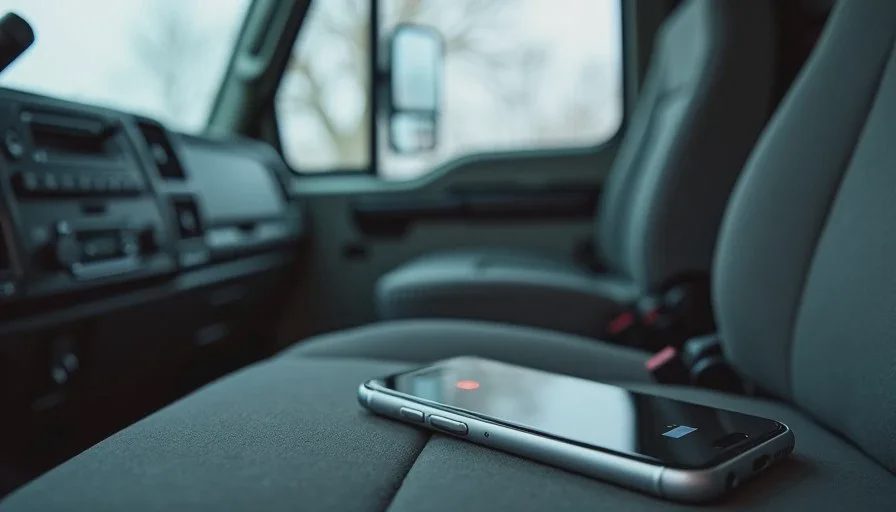
This effect becomes noticeable below roughly 50°F and grows stronger as temperatures approach freezing and below. A phone left on a cold truck seat, carried in an ungloved hand, or used outdoors for photos and navigation experiences the drop faster than one kept in a warm pocket. Continuous screen use, GPS, and weak-signal searching for a network compound the problem because they draw power while the battery is already less efficient.
Why Field Conditions Make It Worse
Office phones spend most of their time indoors. Field phones do not. A technician moves between a cold vehicle, an outdoor walk to the door, and sometimes an unheated garage or basement. Each transition exposes the battery to temperature swings. The phone may also be asked to do more work in these conditions: longer GPS use for rural addresses, repeated camera shots in poor light, and constant attempts to hold a weak cellular connection.
All of these demands hit a battery that is already delivering power less efficiently. The result is a faster drop in reported percentage and a higher chance of unexpected shutdowns.
Practical Steps That Keep the Phone Working Longer
The fixes are mostly about temperature management and reducing unnecessary drain. None require special equipment beyond what most field workers already carry or can add cheaply.
Keep the phone closer to body heat when possible. An inside jacket pocket is warmer than a truck dashboard or an outer coat pocket. In very cold conditions, even a few degrees of difference can slow the performance drop. Avoid leaving the phone on a cold seat or in an unheated toolbox between stops.
Limit continuous high-drain activities when the battery is already cold. Download offline maps before leaving warm coverage so the phone does not have to pull data in the cold. Take repair photos efficiently rather than leaving the camera app open. Reduce screen brightness if the ambient light allows it. These small reductions matter more when the battery is under temperature stress.
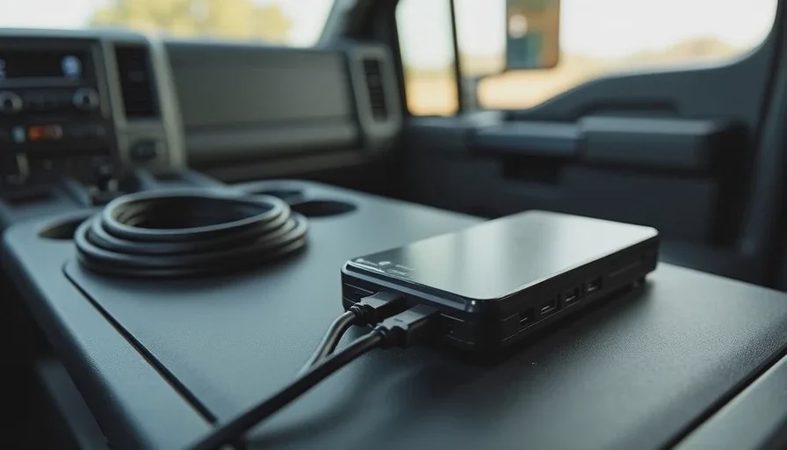
A compact power bank that stays in an inside pocket or a warmer part of the truck provides a practical buffer. Charging from a cold power bank is less effective, so keeping the bank warmer helps it deliver power when needed. Some technicians keep a second cable ready so they can top up during a short warm-up stop without searching for gear.
Warming a Phone That Has Already Shut Down
If the phone powers off because of cold, the first step is to warm it gradually. Bringing it into a heated space or placing it near (not on) a body-heat source usually restores enough function to turn it back on. Avoid rapid heating methods such as direct contact with vehicle vents on high heat or external heaters. Sudden temperature changes can create condensation inside the device.
Once the phone is back on, check the battery percentage after it has stabilized at a more normal temperature. The reading often improves. Then resume normal use with the same temperature and drain precautions.

Habits That Fit Ordinary Winter Workdays
The most reliable approach is prevention built into the morning routine. Charge fully the night before. Confirm the power bank is charged and stored where it will stay relatively warm. Download the day’s offline maps while still indoors. Dress so the phone can ride in an inside pocket during outdoor walks and vehicle time.
During the day, treat low-battery warnings earlier than usual. A phone that reaches 30 percent in cold weather may have less usable runtime left than the same percentage on a mild day. Plugging into the power bank or the truck charger at that point prevents a later shutdown at an inconvenient moment.
At the end of the day, let the phone return to room temperature before judging its long-term battery health. Cold-induced shutdowns are usually temporary. Persistent rapid drain in normal temperatures points to a different issue and may need further attention.
What Does Not Help
Some common suggestions create more problems than they solve. Sealing the phone in an airtight bag can trap moisture when temperatures change. Relying on the phone’s built-in battery-saving mode alone does not address the temperature effect on the chemical delivery of power. Leaving the device on a heater or dashboard in direct sun risks overheating once the cabin warms up.
The useful actions stay simple: keep the phone warmer, reduce unnecessary drain, and have a ready power source that is also protected from the cold.
Why This Matters for Field Work
A phone that dies in the middle of a job forces extra steps. Invoices wait. Next addresses become harder to find. Customer communication stops until power returns. In winter those interruptions are more common unless the temperature effect is taken into account.
The same principles apply to anyone who works or spends extended time outdoors in cold conditions. The chemistry of the battery does not care whether the user is repairing appliances, checking property, or traveling between rural stops. Managing temperature and drain keeps the device available for the tasks that actually need it.
A phone should help you make one less trip, miss one fewer job, and have one fewer argument. In cold weather that starts with recognizing why the battery behaves differently and adjusting the daily habits that keep it working. The changes are small. The difference appears on the ordinary winter days when the phone is still usable at the last stop.


No comments yet — be the first to share a thought.