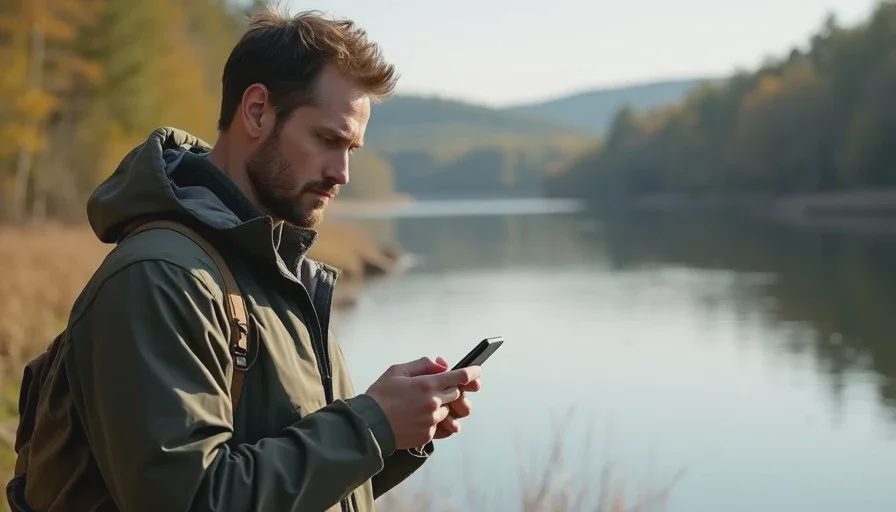
Cell coverage ends more often than most phone plans admit. River canyons, dense forest, remote job sites, and even some rural roads drop a signal without warning. When that happens, a normal phone becomes a camera and a note pad until coverage returns. A satellite messenger promises a way to send a short message or an emergency signal from those places. The question is whether the extra device, subscription, and weight are justified for the kind of work and outdoor time most people actually do.
I have spent years moving between customer sites, rural roads, and fishing spots around Spokane and Coeur d’Alene. Some of those places have reliable coverage. Others do not. I have looked at satellite messengers more than once and so far have not added one to the truck or the fishing kit. The decision is not a blanket rejection. It is a practical judgment based on how often I am truly beyond any coverage, how long those periods last, and what other preparations already reduce the risk.
What a Satellite Messenger Actually Provides
Most consumer satellite messengers allow short text messages, location sharing, and an emergency SOS function that connects to a response center. They work independently of cell towers by communicating with satellites. Some models include basic weather or limited mapping features. The core value is the ability to reach someone when a normal phone cannot.
That capability is real. For people who regularly travel deep into areas with no cell service for extended periods, the device can close a genuine safety gap. The cost is the hardware price, an ongoing subscription, the need to keep the unit charged, and the extra item to carry and maintain.
The Conditions Where the Gap Is Largest
The strongest case for a satellite messenger appears when three factors combine: long periods beyond cell coverage, limited ability to change plans quickly, and a higher consequence if help cannot be reached. Backcountry multi-day trips, remote work sites with no nearby roads, or solo travel in areas known for poor coverage all raise the value of an independent communication path.
Shorter outings that stay near roads, that have defined return times, and that already include ordinary preparation present a weaker case. Many field-service days and day-fishing trips fall into the second category.
What Ordinary Preparation Already Covers
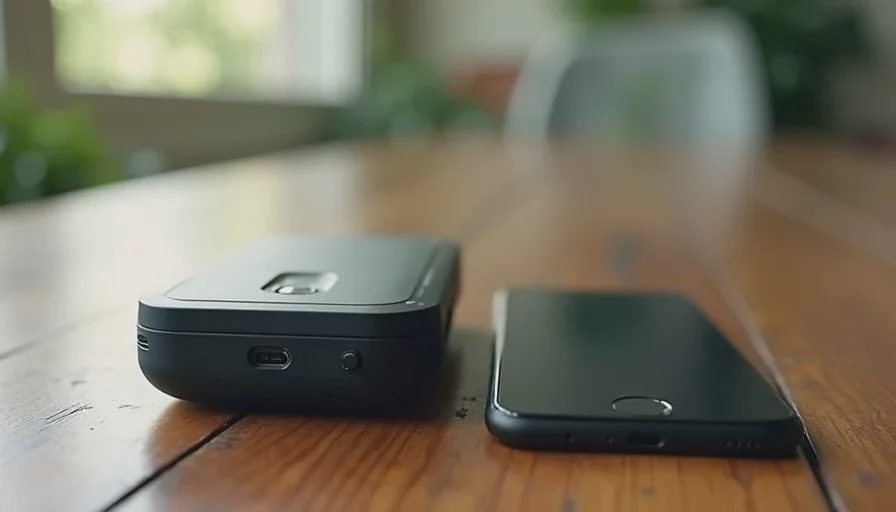
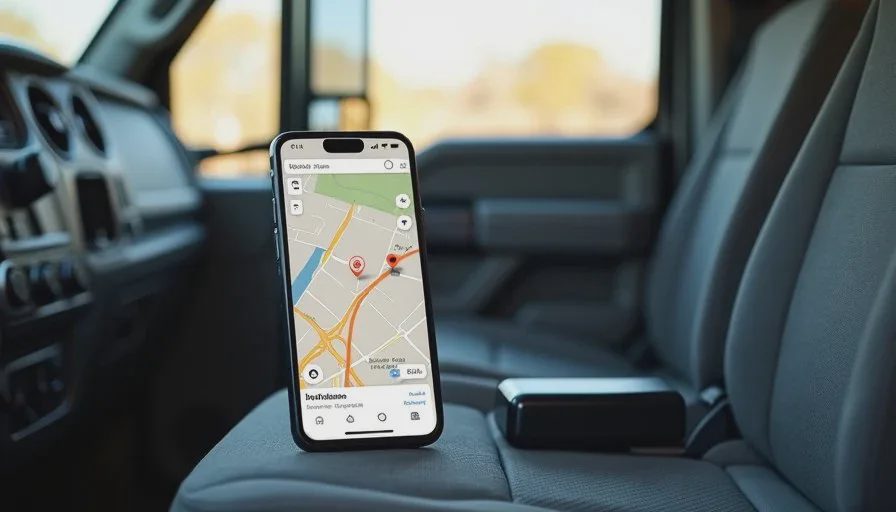
Before adding a satellite device, it is worth examining what is already in place. Offline maps for the expected area remove the need for live data to navigate back to coverage. A fully charged phone and a compact power bank extend the window in which the phone can still place a call once signal returns. Telling someone the general destination and the expected return time creates a basic check-in expectation.
For most of my service routes and fishing days, these steps have been sufficient. The periods without signal are usually measured in minutes or a few hours rather than full days. The truck remains a short drive from areas with coverage. The phone, once it regains a signal, is still the fastest way to communicate.
Cold weather, weak batteries, and unexpected delays can stretch those gaps. That is why the power bank and the offline maps remain non-negotiable. They address the more frequent problems. A satellite messenger addresses a less frequent but higher-consequence scenario.
Cost and Complexity Considerations
A satellite messenger is another device that needs charging, firmware updates, and a clear understanding of how to use the SOS function under stress. The subscription is ongoing. For someone who encounters true no-coverage situations only a few times a year, the cost per actual use can be high. For someone who works or travels in those conditions weekly, the same cost becomes easier to justify.
There is also the question of whether the device will be carried consistently. A safety tool that is left in a drawer or forgotten in the truck because it is bulky or rarely needed provides no benefit on the day it is required.
A Decision Framework That Stays Practical
I use a short set of questions. How many times in the past year was I beyond cell coverage for more than a couple of hours with no easy way to reach a road or a signal? What was the longest gap? Did any of those situations involve a genuine need to call for help that could not wait? How reliable is the check-in system I already use with family or colleagues?
If the answers show frequent, extended, high-consequence gaps, a satellite messenger moves up the priority list. If the gaps are short, the return to coverage is predictable, and ordinary preparation has been enough, the device remains optional.
The same questions apply to fishing trips, remote property visits, or any outdoor work. The answer can change with the season, the location, or a shift in the kind of jobs being taken. It is not a one-time permanent decision.
Alternatives That Close Part of the Gap
Some phones now include limited satellite emergency messaging in certain regions. The capability is narrower than a dedicated messenger but can cover the SOS use case without an extra device. Coverage and feature availability vary, so it is worth checking the specific phone and carrier rather than assuming the function exists.
Personal locator beacons that focus only on emergency signaling are another option for people who primarily want the SOS function without messaging. They solve a narrower problem and may carry different subscription or registration requirements.
For many users the combination of offline maps, a reliable power bank, a clear return-time plan, and a phone that is kept as charged as possible already addresses the majority of ordinary risk. Adding a satellite messenger on top of that foundation is a further step, not a replacement for the basics.
When I Would Reconsider
I would revisit the decision if my work or outdoor patterns changed toward longer periods in known dead zones, if I began traveling solo in more remote terrain, or if a specific incident showed that the existing preparations were insufficient. Until then the weight, cost, and maintenance of an extra device outweigh the benefit for the conditions I actually encounter.
That judgment is personal. Someone who regularly works on remote infrastructure, guides multi-day trips, or fishes and hunts far beyond cell coverage will reasonably reach a different conclusion. The useful approach is to measure the real frequency and duration of coverage gaps against the cost and complexity of the device rather than adopting it because it exists.
Keeping the Focus on What Actually Protects the Day
The most common causes of a stranded or delayed field day remain ordinary: a dead phone battery, a wrong address, a missing part, or an unexpected change in the schedule. Offline maps, a backup power kit, clear customer communication, and basic route planning address those problems directly. A satellite messenger sits further out on the risk curve.
A phone should help you make one less trip, miss one fewer job, and have one fewer argument. Preparing for weak signal and limited battery supports that goal on almost every workday. A satellite messenger supports it only on the days when the coverage gap is both long and consequential. For many field workers and outdoor users the first set of preparations delivers more frequent value. The second remains a deliberate choice based on the actual conditions of the work and the places it occurs.
No comments yet — be the first to share a thought.