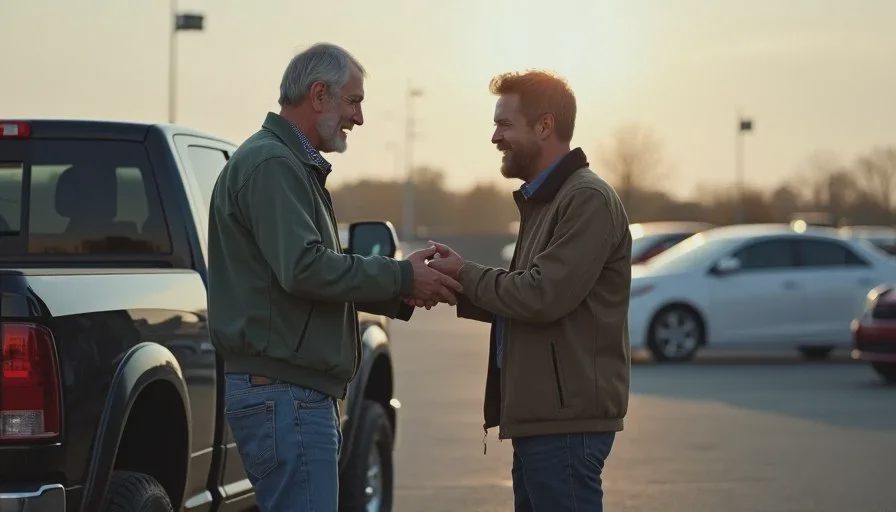
Buying used parts and tools from local strangers is often the fastest and least expensive way to keep older equipment running or to fill a gap in the garage. Marketplace, local boards, and word-of-mouth listings make the connections. The meeting itself is where most of the risk concentrates. A public place, daylight, and a short list of non-negotiable habits turn an ordinary exchange into one that is far less likely to go wrong.
I have bought and sold tools and parts this way for years while restoring equipment and stocking the shop. Most transactions are uneventful. The ones that felt off almost always violated one of the basic rules below. Treating those rules as standard rather than optional has kept the useful deals available while reducing the chances of a problem.
Why the Meeting Location Matters Most
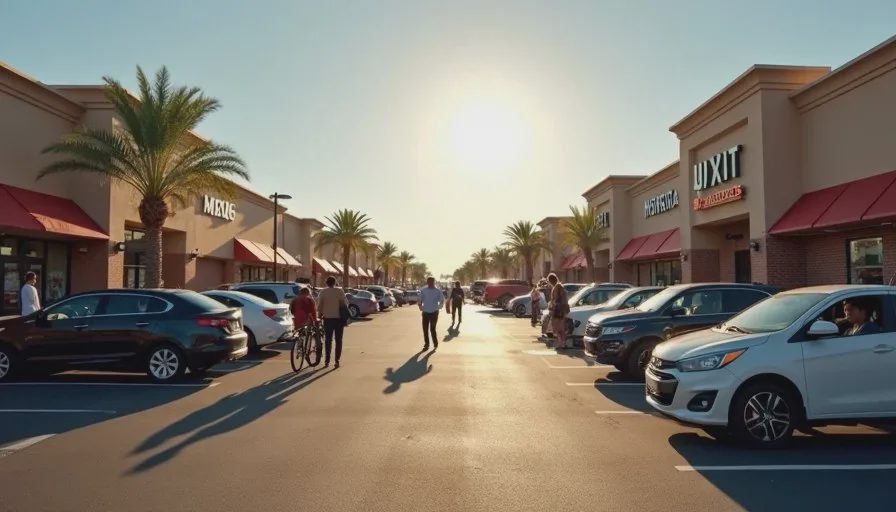
The single strongest safety factor is a public, well-lit place with other people present. Police station parking lots, busy retail lots, and staffed commercial areas are common choices for a reason. They reduce isolation and increase the chance that ordinary witnesses are nearby. Private residences, secluded side streets, and empty lots after dark remove those advantages.
I default to a public lot during daylight or early evening hours when the amount of natural or artificial light is still good. If the other person insists on a private or isolated location, that insistence itself is useful information. Walking away from a deal that requires meeting on their terms in a low-visibility place is usually the lower-cost decision.
Timing and Visibility
Daylight is preferable. When evening meetings are unavoidable, choose locations with active lighting and ongoing foot or vehicle traffic. Arriving a few minutes early allows a quick scan of the area. If the setting feels wrong on arrival, leaving before the other person appears is still an option.
What to Bring and What to Leave Behind
Bring only what is required for the exchange. Cash in the approximate amount, the phone, and any tools needed to inspect the part are usually sufficient. Large amounts of extra cash, unnecessary personal items, or valuable secondary gear create additional targets if the situation turns.
A second person is worth considering for higher-value items or when the meeting feels uncertain. The second person does not need to participate in the negotiation. Their presence alone changes the dynamic. If a second person is not available, letting someone know the location, the approximate time, and the other party’s listing name provides a basic external check.
Leave the full inventory of tools and parts at home or in a locked area of the truck until the inspection is complete and the payment is ready. Bringing everything at once increases exposure if the deal collapses or if the other person is not who they claimed to be.
Inspection Before Money Moves
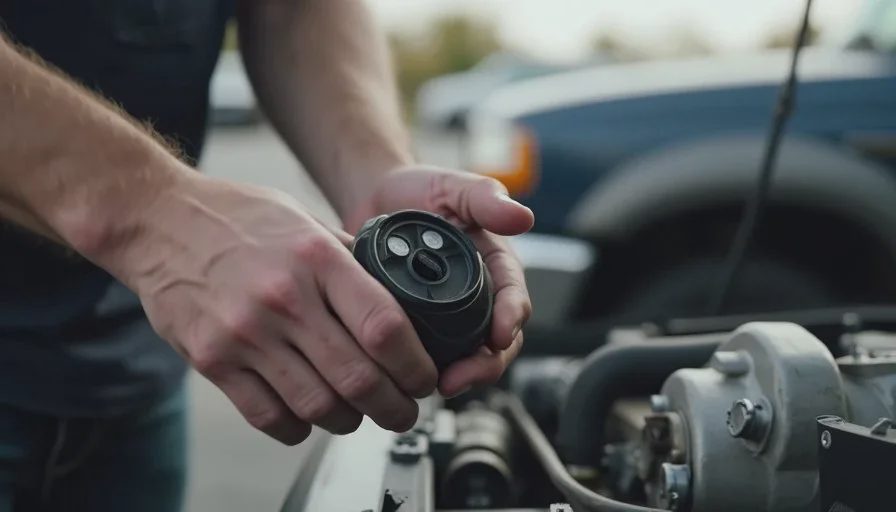
The part or tool should be examined in the public place before any payment is handed over. Turn it on if it is powered. Check for cracks, missing components, incorrect model numbers, or signs that the photos were misleading. Compare the item to the listing images while both parties are present.
A seller who resists a basic inspection or who pressures for payment before the item can be checked is providing clear information. The same applies to a buyer who wants to take the item to a private location for testing before paying. Both patterns are reasons to pause or end the transaction.
Communication Rules That Reduce Ambiguity
Keep the conversation inside the original platform as long as possible. Moving quickly to personal phone numbers or off-platform messaging removes the limited record and reporting options that the listing site provides. A person who insists on leaving the platform early is asking for a reduction in accountability.
Confirm the exact item, price, and meeting place in writing before traveling. A short message that restates the agreement creates a clear reference if the story changes on arrival. If the other party arrives with a different item, a different price, or additional conditions, the written confirmation makes it easier to decline and leave.
Avoid sharing unnecessary personal details. Home address, workplace, full schedule, or information about other valuables does not need to be part of a parts transaction. The conversation can stay limited to the item, the price, and the logistics of the handoff.
Payment Habits That Close the Deal Cleanly
Cash remains the simplest method for most local, moderate-value exchanges. It allows the transaction to finish on the spot with no delayed clearing or chargeback risk. For higher amounts the same cash preference often still applies, or a digital method is used only after the item has been inspected and is in hand.
Do not send payment before the meeting. Do not accept payment methods that leave the money reversible after the item has left your possession without a clear understanding of the risk. The goal is simultaneous exchange: item inspected and accepted, payment completed, both parties free to leave.
Red Flags That Justify Walking Away
Certain behaviors appear often enough to treat as automatic stops. Pressure to meet immediately in a private location. Reluctance to allow inspection. A story that changes between the messages and the meeting. An item that does not match the photos or description in material ways. Requests for personal information unrelated to the transaction. Any sense that the situation is being rushed past ordinary caution.
None of these prove criminal intent by themselves. Together they raise the cost of continuing. The used part or tool is rarely worth the elevated risk. Leaving is a complete decision. There is no obligation to explain or negotiate further.
After the Exchange
Once the item and payment have changed hands, leave the area. Lingering conversation is unnecessary. If the transaction was recorded in the platform, a brief confirmation message can close the thread. For personal records a photo of the item at the meeting and a note of the amount and date are often sufficient.
If anything about the interaction felt wrong even after a completed exchange, consider reporting the listing or the user through the platform. Patterns that appear in one transaction sometimes appear in others.
Keeping Local Buying Useful
Most people selling used parts and tools are ordinary owners clearing space or upgrading equipment. The safety rules are not about assuming the worst of everyone. They are about removing the conditions under which the worst outcomes become more likely. Public place, daylight or good lighting, inspection before payment, limited personal information, and the willingness to leave when the situation feels off form a practical baseline.
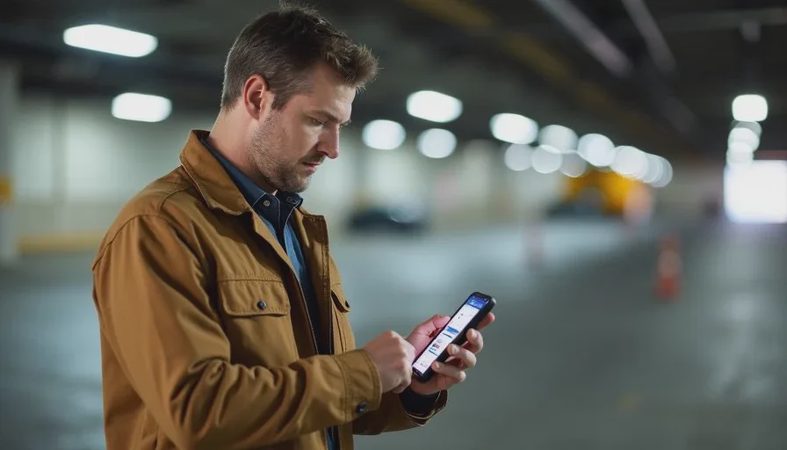
A phone and a Marketplace listing can help you find the exact part or tool that keeps a job moving. The meeting that follows should not become the place where the advantage disappears. Applying the same short set of rules to every transaction keeps the useful local market available while reducing the chance of a costly exception. The habits are simple. The cleaner, safer exchanges are the consistent result.
A phone should help you make one less trip, miss one fewer job, and have one fewer argument. Safe meeting practices support that goal by preventing the failed, disputed, or unsafe transactions that create extra driving, lost money, and unnecessary problems. Meet in public. Inspect first. Keep the exchange limited and finished. The rest of the day stays simpler.

No comments yet — be the first to share a thought.